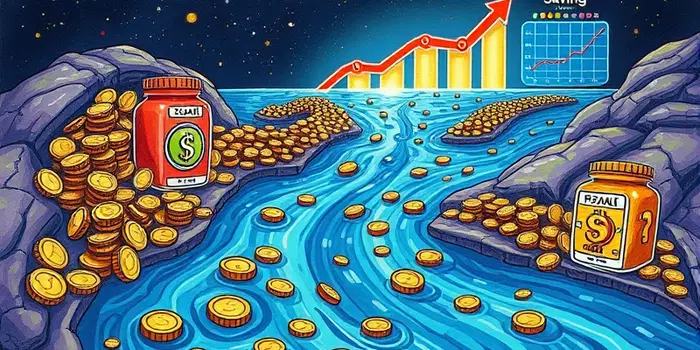
Saving money is more than stashing spare change—it’s about turning savings into a system that works for you without constant effort. By adopting proven frameworks and practical tools, you can build sustainable wealth, protect your future, and reach your goals faster than ever.
Before diving into high-impact strategies, you must first know exactly where your money goes each month. Tracking your expenses reveals hidden leakages and pinch points that undermine saving efforts.
Use budgeting apps or manual spreadsheets to log every purchase, bill, and subscription. This foundational step informs all subsequent tactics and ensures you’re not chasing habits blindly.
One of the simplest yet most powerful advanced methods is the “pay yourself first” approach. By automating savings deposits at the start of each pay period, you make structured, recurring accumulation every month non-negotiable, just like your rent or mortgage.
Think of your savings account as a fixed expense. Schedule an automatic transfer on payday so that deposits occur before you have the chance to overspend. This small behavioral shift creates a savings culture rather than an afterthought.
Automation is the linchpin of advanced saving. When transfers, bill payments, and contribution splits happen without manual intervention, willpower becomes irrelevant.
Set up direct deposit splits, payroll deductions, or scheduled transfers from checking into savings, investment, and retirement accounts. The less you see it happen, the less you’ll be tempted to delay or skip contributions.
Automation transforms aspirational goals into reliable habits, ensuring you build momentum over time without thinking twice about it.
The famed 50/30/20 framework provides a solid baseline: allocate half of your income to essentials, thirty percent to discretionary spending, and twenty percent to savings and debt reduction.
Adjust these percentages based on your unique situation—debt levels, income fluctuations, and personal aspirations. The key is consistency rather than perfection.
A robust emergency reserve anchors any advanced savings plan. Aim to accumulate three to six months of living expenses in a readily accessible account.
Liquidity takes precedence over returns when it comes to this fund. Keep it separate from your daily spending and replenish any withdrawals promptly. This safety net safeguards you from unexpected crises and prevents reliance on high-interest debt.
Diversifying your funds into labeled accounts eliminates goal interference and maintains clarity. After establishing your emergency cushion, create distinct buckets for short-, medium-, and long-term objectives.
Separating funds keeps you focused and prevents accidental overspending. It also simplifies tracking and makes progress more rewarding to observe.
Clarity amplifies motivation. Craft Specific, Measurable, Achievable, Relevant, Time-bound goals for every savings target. Define what you’re saving for, how much, and when you need it.
Sequence your priorities by tackling one goal at a time. Celebrate milestones before pivoting your focus. This disciplined method prevents fragmentation of effort and drives cumulative success.
A critical but often overlooked saving tactic is debt payoff. Since high-interest debt can hinder saving, channel extra funds toward the balances with the steepest rates first. Credit cards, personal loans, and payday advances typically top this list.
Eliminating expensive obligations frees up cash flow and delivers an effective return equivalent to the interest rate you’re no longer paying. Once a debt is paid, redirect those same payments into your savings machine.
Long-term wealth building demands smart use of retirement vehicles and health savings accounts. Maximize contributions to 401(k)s, IRAs, and HSAs to benefit from tax deferral or tax-free growth.
Not only do these accounts accumulate capital, but employer-sponsored plans often come with matching contributions. Be sure to capture your full employer match before exploring other investment options.
Bonuses, tax refunds, and inheritance checks represent golden opportunities. Treat these windfalls as fuel for major goals or emergency reserves rather than instant gratification.
Allocate a predetermined percentage of any lump sum into your savings system. This approach accelerates goal achievement and keeps your long-term plan on track, even when life surprises you.
Advanced saving is not a set-and-forget endeavor. Review your budget, account performance, and goals at least quarterly.
Life changes—pay raises, family growth, shifting priorities—demand flexibility. Adjust automation levels, rebalance savings buckets, and refine targets to reflect your evolving circumstances.
By following these advanced techniques—automate transfers for consistent saving, use distinct buckets for every goal, and focus on both accumulation and debt reduction—you transform saving from a chore into a self-sustaining system. The journey beyond the piggy bank is not just about locking away money; it’s about creating a resilient framework that propels you toward financial freedom.
References