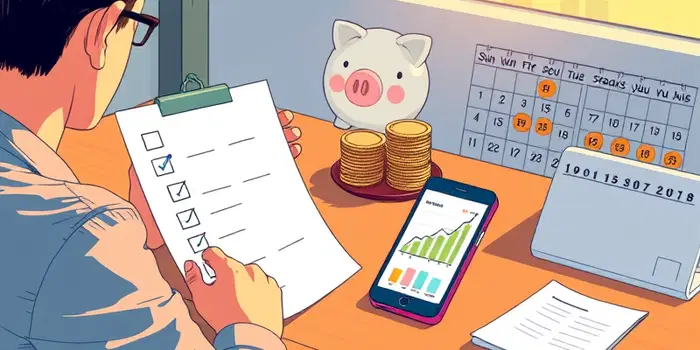
Most of us focus on complex strategies while overlooking the simple steps that yield the biggest savings. By mastering the fundamentals—knowing your numbers, cutting waste, automating growth, and reviewing regularly—you can unlock hidden opportunities in your budget.
Use this checklist to ensure you’re not leaving money on the table and build a solid financial foundation in 2026 and beyond.
A clear audit begins with tracking spending and understanding your habits. Gather recent bank statements, bills, receipts, and subscription records to see exactly where your money flows.
If full-detail tracking feels overwhelming, choose one category—like groceries or entertainment—to monitor for a month. Reassess every 30 days to refine your view before expanding your audit.
Frameworks turn vague goals into actionable plans. Two of the most effective methods are 50/30/20 and zero-based budgeting.
Choose the rule that fits your style. Digital tools or an envelope system can help visualize each category and keep you on track.
Relying on willpower is risky. Instead, set up automatic transfers on payday to channel funds into separate accounts immediately. Treat savings like a fixed expense.
Keep emergency funds, bill money, and “fun” savings in different buckets to reinforce discipline and make spending decisions more deliberate.
Life is unpredictable. Aim for three to six months of essential expenses in an accessible account. This fund is your first line of defense against unexpected repair, medical, or job-related expenses.
Store these reserves in a high-yield savings account to earn interest without sacrificing liquidity. Distinguish short-term savings, emergency reserves, and long-term investments to maintain clarity.
Idle money loses value to inflation. By contrast, a high-yield account at roughly 4% APY can yield an extra $25–$80 per month, compounding over time.
Compare rates annually and move funds when better opportunities appear. Even small rate differences translate into significant passive earnings over a year.
Many savings slip away through unnoticed subscriptions and auto-renews. Small recurring charges can add up to hundreds lost each year.
Label these as “silent leaks” and schedule a quarterly review to catch new or forgotten drains.
Food is one of the fastest ways to free up cash. With a few planning tweaks, you can slash your grocery bill without sacrificing quality.
Meal planning and cooking at home can save hundreds of dollars annually and improve your diet.
Impulse purchases often derail budgets. Introduce friction: uninstall retailer apps, leave cards at home, or enforce a 24-hour wait before non-essential buys.
Try a short “no spend weekend” or require yourself to save for a treat before indulging. These habits curb impulse and reinforce mindful spending.
Gamify saving with challenges. The 1p-a-day challenge or themed no-spend weeks inject motivation and make progress visible.
Track streaks on a calendar or app to reinforce consistency and celebrate milestones.
Savings aren’t solely about cuts—earning more matters too. Sell unused belongings, explore freelance gigs, or launch small side hustles.
Extra income not only boosts your savings bucket but can accelerate debt repayment and emergency-fund growth.
Utility bills are ripe for reduction. Swap to LEDs, install a smart thermostat, seal drafts, and upgrade to energy-efficient appliances.
Many improvements qualify for tax credits or rebates, offsetting upfront costs and delivering ongoing savings.
High-interest debt erodes every dollar you save. Allocate part of your budget—often within the 20% savings bucket—to accelerate payoff.
Consolidate loans, negotiate rates, or transfer balances to 0% offers when appropriate. Clearing debt frees cash flow and reduces financial stress.
Your financial life evolves. Schedule a monthly check-in to compare actual spending versus plan, update goals, and shift funds as priorities change.
By revisiting goals to stay on track, you maintain momentum and adapt proactively to life’s twists and turns.
With these steps—tracking every dollar, cutting waste, automating growth, and reviewing diligently—you’ll transform hidden inefficiencies into a robust savings habit. Start today and watch small actions compound into lasting financial freedom.
References