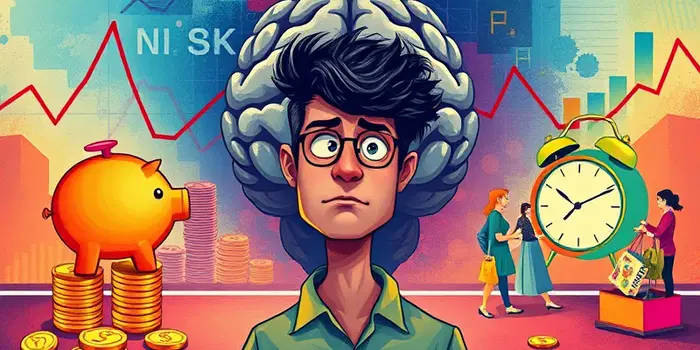
Saving money often feels like waging war against your own impulses. We know the importance of a rainy-day fund, retirement nest egg, or simply resisting the lure of instant gratification. Yet, our brains frequently sabotage our best intentions. By combining insights from behavioral science and structural economics, we can outwit the forces at play and build lasting savings habits.
At its core, saving is a struggle between today’s desires and tomorrow’s needs. Research on present bias and temporal discounting reveals that we heavily favor immediate rewards, while the future self remains a distant abstraction.
Saving fails when our brains choose:
Several cognitive and emotional factors influence whether money ends up in the bank or vanishes in a shopping spree.
Present bias leads us to postpone saving until "later," even when we fully intend to act now. The further a goal lies in the future, the less weight it carries in our decision-making.
Status quo bias amplifies inertia. Changing spending habits demands effort and discomfort, making it easier to keep existing routines—even when those routines undermine long-term security.
Self-control and delayed gratification determine our ability to resist tempting purchases. Individuals who mastered delaying rewards in childhood tend to accumulate more savings later in life.
Our sense of identity and values also plays a key role. When saving aligns with a clear self-image—"I am someone who protects my family’s future"—it becomes more motivating. Framing goals around personal values can make the future feel tangible.
Savvy communicators match savings appeals to personality and mindset. People with a strong savings orientation respond best to prevention-focused messages—"avoid emergencies" and "protect loved ones." Those less inclined to save react better to promotion-focused messages—"build freedom" and "fund your dreams."
Under financial scarcity, short-term thinking intensifies. We narrow our focus to urgent needs, making long-range planning feel impossible. Recognizing this can spur interventions that restore a broader perspective.
Behavioral research offers actionable tactics to turn saving into an effortless habit.
Savings behavior does not occur in a vacuum. Broader economic and demographic factors shape our ability to set money aside.
Government pension systems, fiscal policy, and macroeconomic conditions further influence private saving. Public pensions can lead to partial offsets in household behavior, while inflation and interest rates shift the real incentives to save.
Outsmarting your wallet requires both introspection and environmental design. By understanding how we think about time, how we feel about money, and how we regulate impulse, you can deploy strategies that align with your personality and circumstances.
Couple these insights with economic awareness—monitor inflation, seek competitive returns, and plan across life stages—and you’ll transform saving from a constant struggle into a sustainable habit. Embrace these principles today, and watch your future self thank you tomorrow.
References