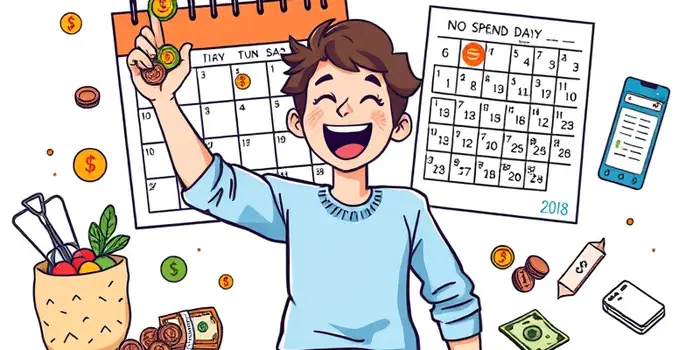
Embarking on a no-spend challenge isn’t about deprivation; it’s about strategic financial empowerment and uncovering hidden habits.
A no-spend challenge is a short-term spending reset that focuses on halting non-essential purchases while still covering rent, bills, groceries, and transport. Rather than cutting spending completely, it’s designed to reveal where your money truly goes and to cultivate more intentional habits.
Participants often report rapid gains in savings and a renewed sense of control over their finances. This experiment also functions as a behavioral reset, shining a light on emotional impulses and automatic purchases that erode your budget.
The true art of a no-spend challenge lies in crafting rules that are strict enough to matter yet realistic enough to stick to. Begin by defining essentials versus non-essentials.
Essentials typically include rent or mortgage, utilities, groceries, prescriptions, insurance, and transportation. Discretionary categories often labeled as “red-zone” include dining out, subscription services, clothing, and impulse buys.
If a 30-day freeze feels daunting, begin with a bite-sized test. Even a single no-spend day can offer instant financial wins and confidence to press on further.
Progress gradually: from 1 day to 7 days, then to 14 or 30 days as your willpower and insights grow. Tracking each success builds momentum and strengthens your resolve.
One of the most powerful outcomes of this challenge is the discovery of emotional triggers driving your spending. Boredom, stress, peer pressure, and targeted ads can lure you into unplanned purchases.
Keep a journal of near-misses—moments when you almost splurged. Note how you felt, what prompted the urge, and how you resisted. Over time, patterns emerge, revealing where your money really goes and why.
Every no-spend day is a victory worth acknowledging. Celebrating milestones reinforces positive behavior and makes the process enjoyable rather than punitive.
Most importantly, decide ahead of time where your cumulative savings will go. Assigning a purpose amplifies motivation and ensures your effort translates into real progress.
Despite the challenge’s short-term design, many participants discover lasting benefits. A reset in spending baseline makes future purchases feel more intentional, and new habits often stick.
To sustain gains, integrate micro no-spend rules into your routine: choose one weekend day each month to freeze, limit online shopping to set windows, or maintain a pause rule for non-essential buys.
Remember, the no-spend challenge is not a permanent lifestyle but a powerful experiment. Use the insights to craft a balanced budget that blends discipline with enjoyment. By reclaiming control of discretionary spending, you’ll experience less stress, greater savings, and a healthier relationship with money.
References